
Productivity Is More Than Hours Worked — Why Organizations Need to Measure What Truly Matters
An employee can spend ten hours at a desk and produce little. Another solves a complex problem in three. Activity is not the same as productivity — so why do we keep counting hours?

One of the most persistent mistakes in modern workplaces is also one of the easiest to measure. Hours worked. Clock-in. Clock-out. Tasks completed. Emails sent. Meetings attended. Reports delivered.
For decades, organizations have relied on visible activity as a convenient indicator of productivity. The assumption is straightforward: if employees spend more time working and complete more tasks, they must be more productive. But that assumption is increasingly outdated.
An employee can spend ten hours at a desk and still struggle to produce meaningful work. Another can solve a complex problem in three focused hours. A team can complete dozens of tasks while making little progress toward an important business objective. Employees can appear constantly busy while spending much of their day navigating distractions, unnecessary meetings, poor technology, and inefficient workplace environments.
Activity is not the same as productivity.
At VSpaceZ, we repeatedly observe that productivity is shaped by a much broader combination of factors. The workplace experience, physical environment, employee well-being, quality of collaboration, access to technology, and ability to focus all influence how effectively people perform. If organizations want to understand productivity properly, they need to move beyond counting hours and start examining the conditions that enable meaningful outcomes.
The Problem With Measuring Productivity by Time
Time is easy to measure. Quality is more difficult. This is one reason organizations continue to rely heavily on working hours as a productivity indicator. Managers can see when employees arrive. Digital systems record when they log in. Software tracks activity. Timesheets calculate hours. But none of these measurements necessarily reveal whether meaningful progress was made.
An employee may remain online for twelve hours because inefficient processes made a five-hour task unnecessarily difficult. Another completes the same work faster with better tools, fewer interruptions, and a more supportive environment. If the first is considered more productive simply because they worked longer, the organization is rewarding inefficiency.
Hours worked tell us how much time was spent. They don't tell us how valuable that time was.
Being Busy Is Not the Same as Being Productive
Modern workplace culture often celebrates busyness. Packed calendars become symbols of importance. Back-to-back meetings appear to demonstrate involvement. Long working hours are sometimes interpreted as commitment. Constant availability can be mistaken for high performance. But busyness can hide significant organizational problems.
An employee may attend eight meetings in a day without having enough time to complete meaningful work. A manager may send hundreds of messages while creating unnecessary interruptions for the entire team. A project may generate dozens of tasks without moving closer to its intended outcome. Organizations need to distinguish between activity and progress. The objective of work is not to maximize the amount of activity taking place — it is to create meaningful results.
Quantity Can Hide Poor Quality
When employees are evaluated primarily on the quantity of work completed, behavior naturally adapts to the measurement system. People focus on completing more tasks. But more does not always mean better.
Consider two employees. One completes twenty minor tasks. Another solves one complex problem that saves the organization significant time and money. Who was more productive? The answer cannot be determined by counting tasks alone.
Knowledge work, creative work, strategic work, and collaborative work often produce value that is difficult to measure through simple output metrics. A powerful idea may take hours of research and reflection. A successful strategy may emerge after weeks of analysis. A meaningful conversation between colleagues may prevent a costly mistake.
The value of work is not always proportional to the number of visible actions performed.
Productivity Is an Experience
Productivity is often treated as an individual responsibility. If an employee is struggling, the assumption may be that they need better time management, more discipline, greater motivation, or stronger focus. Sometimes these factors matter. But productivity is also deeply influenced by the environment surrounding the employee.
Imagine asking someone to complete complex work while they are constantly interrupted. Imagine expecting creativity in an environment that creates stress and fatigue. Imagine demanding collaboration while providing no suitable spaces or tools for teams to work together. In these situations, the problem is not necessarily the employee — the problem may be the system.
At VSpaceZ, we believe productivity should be understood as an experience created through the interaction of people, place, technology, culture, and leadership.
Workplace Design Directly Influences Performance
The physical workplace is not simply a background where work happens — it actively influences how people work. Consider the impact of:
An employee doing detailed analytical work in a noisy environment may need significantly more time to finish. A team searching for an available meeting room loses valuable working time. A poorly equipped hybrid meeting turns a simple discussion into a frustrating experience. An uncomfortable workstation contributes to physical fatigue. These small barriers accumulate — yet traditional productivity metrics rarely account for them. Instead, organizations may ask employees to work harder without examining whether the workplace itself is making work unnecessarily difficult.
The Hidden Cost of Workplace Friction
Workplace friction is any unnecessary obstacle that makes it harder for employees to perform effectively. It can include:
- Constant interruptions
- Poor meeting technology
- Difficult room booking systems
- Unclear communication
- Inadequate focus spaces
- Too many meetings
- Complicated approval processes
- Uncomfortable workstations
Individually, these problems may appear minor. Collectively, they consume a significant amount of employee time and energy. If an employee loses thirty minutes each day to avoidable friction, that time adds up across weeks, months, and an entire organization.
Sometimes the most effective productivity strategy is simply removing the barriers preventing good work.
Employee Well-Being Is a Productivity Factor
For too long, employee well-being and productivity have been treated as separate conversations. They are closely connected. Employees who are physically exhausted, mentally overwhelmed, or continuously stressed cannot consistently perform at their highest level. Short periods of intense effort may produce temporary results, but sustained pressure without recovery eventually creates consequences:
A workplace culture that rewards long hours while ignoring well-being may appear productive in the short term. Over time, the cost becomes visible. Sustainable productivity requires organizations to recognize that employees are human beings, not production machines.
More Pressure Does Not Always Create More Performance
When productivity falls, a common leadership response is to increase pressure. More targets. More tracking. More reporting. More meetings. More monitoring. But pressure does not automatically solve the underlying problem.
If employees are struggling because of unclear priorities, increasing the number of targets may create more confusion. If poor workplace design is causing distractions, demanding longer hours does not remove those distractions. If teams are overwhelmed by meetings, adding more performance reviews consumes even more productive time.
Before asking employees to produce more, ask what is preventing them from performing effectively.
This question shifts the conversation from blame to improvement.
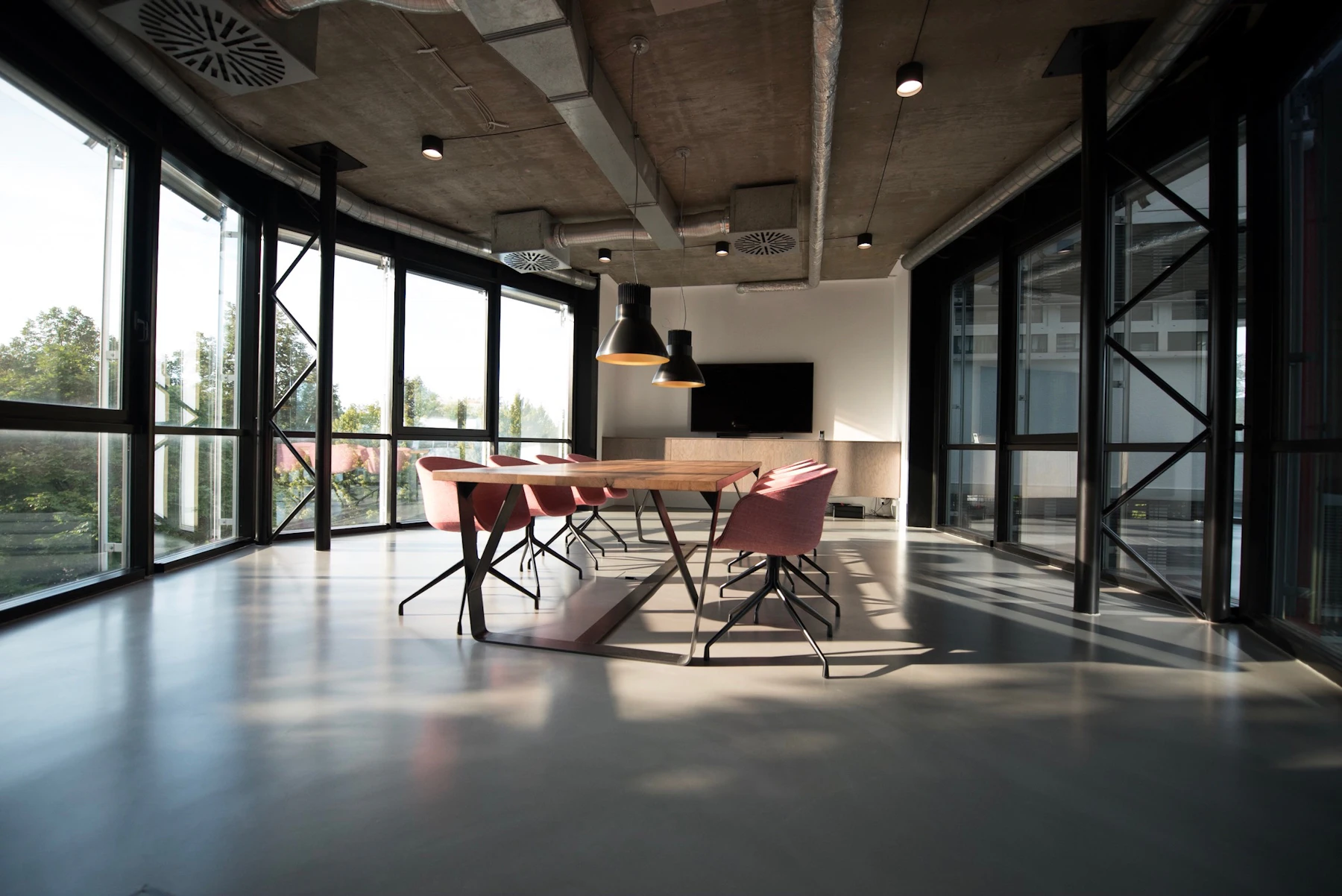
Collaboration Is Part of Productivity — Until It Isn't
Traditional productivity metrics often focus heavily on individual output. But modern organizations depend on collaboration. Ideas move between teams. Problems require multiple perspectives. Projects depend on shared knowledge. An employee may spend time helping a colleague solve a difficult problem — that contribution may not appear on a task tracker, but it can create significant value.
At the same time, more collaboration does not automatically mean better productivity. Organizations can easily create collaboration overload.
Collaboration that is real work
- A well-designed workshop that saves weeks of rework
- Helping a colleague solve a hard problem
- Multiple perspectives on a complex decision
- Shared knowledge moving between teams
Collaboration that only looks like work
- Attending meetings with no clear purpose
- Responding to a constant stream of messages
- Switching between conversations all day
- Participating in unnecessary calls
Collaboration should not be viewed as time taken away from "real work" — when purposeful and well supported, collaboration is real work. But effective collaboration requires balance. Employees need opportunities to connect with colleagues, and they also need uninterrupted time to think, create, analyze, and execute. A productive workplace supports both.
Focus Should Be Treated as a Business Resource
Deep concentration is becoming increasingly valuable — and increasingly difficult to achieve. Notifications, messages, meetings, conversations, and digital platforms compete constantly for attention. Every interruption creates a cognitive cost. Employees may physically remain at work for eight hours while experiencing only a small number of genuinely focused hours. This is why measuring attendance alone provides such an incomplete picture. Questions worth asking include:
- Do employees have access to quiet spaces?
- Are calendars overloaded with meetings?
- Are communication expectations creating constant interruptions?
- Can employees choose environments suited to their tasks?
- Is focused work respected?
Protecting attention can be one of the most effective ways to improve productivity.
"The goal was never more time at work. It was time well spent."On measuring what actually matters
Hybrid Work Has Made Old Metrics Even Less Relevant
Hybrid work has further exposed the limitations of time-based measurement. When employees are not always physically visible, some leaders struggle to evaluate performance. This can lead to increased monitoring — online status indicators, activity tracking, frequent check-ins. But digital visibility is not a reliable measure of value. An employee can appear online all day without producing meaningful outcomes. Another may work independently for several hours and deliver exceptional results.
Hybrid work requires leaders to shift from monitoring presence to evaluating performance more intelligently. That means greater clarity around:
- Objectives
- Responsibilities
- Outcomes
- Quality
- Deadlines
- Team contribution
The question becomes less about where or how long someone worked, and more about what meaningful value was created.
From Raw Output to Meaningful Outcomes
The shift from output to outcomes is fundamental. Output measures what was produced. Outcome measures what changed as a result.
Output — what was produced
- A team held ten customer meetings
- An employee completed twenty tasks
- A marketing team produced fifty pieces of content
Outcome — what actually changed
- Customer satisfaction improved
- A critical project moved closer to completion
- Qualified engagement and opportunities increased
Outputs still matter. But without understanding outcomes, organizations risk rewarding activity that creates little value.
What Should Organizations Measure Instead?
There is no single productivity metric suitable for every organization. Measurement should reflect the nature of the work and the objectives of the business. A more holistic framework may include:
-
Quality of Outcomes
Did the work achieve the intended result?
-
Employee Well-Being
Can performance be sustained without creating chronic exhaustion?
-
Collaboration Effectiveness
Are teams sharing information and solving problems efficiently?
-
Focus & Workplace Friction
Can people complete important work without unnecessary barriers?
-
Employee Experience
Does the workplace support people in performing effectively?
-
Customer or Business Impact
Does the work contribute to meaningful organizational goals?
-
Learning & Improvement
Are teams developing better ways of working over time?
Together, these indicators provide a much richer understanding than hours worked alone.
Productivity Metrics Can Shape Workplace Culture
Organizations should remember an important principle: people respond to what is measured. If employees are rewarded for long hours, they may remain online longer. If they are rewarded only for task volume, they may prioritize quantity. If managers are evaluated on team activity, they may create unnecessary work. Poor metrics can unintentionally encourage poor behavior. Good metrics should encourage:
- Quality
- Accountability
- Sustainable performance
- Collaboration
- Innovation
- Meaningful results
The purpose of measurement should be to improve performance — not simply increase surveillance.
The Role of Leaders in Redefining Productivity
Leaders have a critical responsibility in changing how productivity is understood. They need to move away from "Why aren't people working longer?" and toward "What is preventing our people from doing their best work?" This requires trust. It also requires clarity. Employees need to understand:
- What success looks like
- Which outcomes matter
- How priorities are determined
- How their work contributes to broader goals
When expectations are clear, organizations can reduce dependence on outdated indicators such as physical presence and working hours.
The VSpaceZ Perspective: Time Well Spent
At VSpaceZ, we repeatedly observe that productivity is not created by one factor. It emerges from the relationship between people and their working environment. A productive workplace considers:
An employee spending eight hours in a poorly designed environment filled with interruptions may achieve less than someone spending four highly focused hours in a setting designed around their needs. This is why productivity cannot be understood through a clock alone.
Final Thoughts
The traditional definition of productivity is no longer enough. Hours worked can provide information. Tasks completed can provide information. Attendance can provide information. But none of these measurements tells the complete story. True productivity is more complex — it includes the quality of work, the outcomes created, the ability to collaborate, the capacity to focus, the physical and mental well-being of employees, and the effectiveness of the workplace itself.
Organizations that continue measuring productivity primarily through time and visible activity risk optimizing the wrong things. They may create employees who appear busy rather than teams that create meaningful value. At VSpaceZ, we believe organizations should move from measuring time spent to understanding time well spent. That means designing workplaces that remove unnecessary barriers, creating environments that support both focus and collaboration, recognizing well-being as a component of sustainable performance, and evaluating success through meaningful outcomes rather than activity alone.
Productivity should never be reduced to a timesheet.
It is the result of people having the clarity, environment, tools, energy, and support required to create meaningful work. And when organizations begin measuring what truly matters, they can stop rewarding busyness and start building workplaces designed for better outcomes.
So perhaps the question is no longer "How many hours did our employees work?" The better questions are: What did those hours achieve? What made the work harder than necessary? Did our workplace help people perform at their best?
Because when organizations begin measuring what truly matters, they can stop rewarding busyness and start building workplaces designed for better outcomes.
