
Employee Wellness Is Broken
Why office perks alone can never build a healthy workplace — and what real, structural well-being actually asks of an organization.
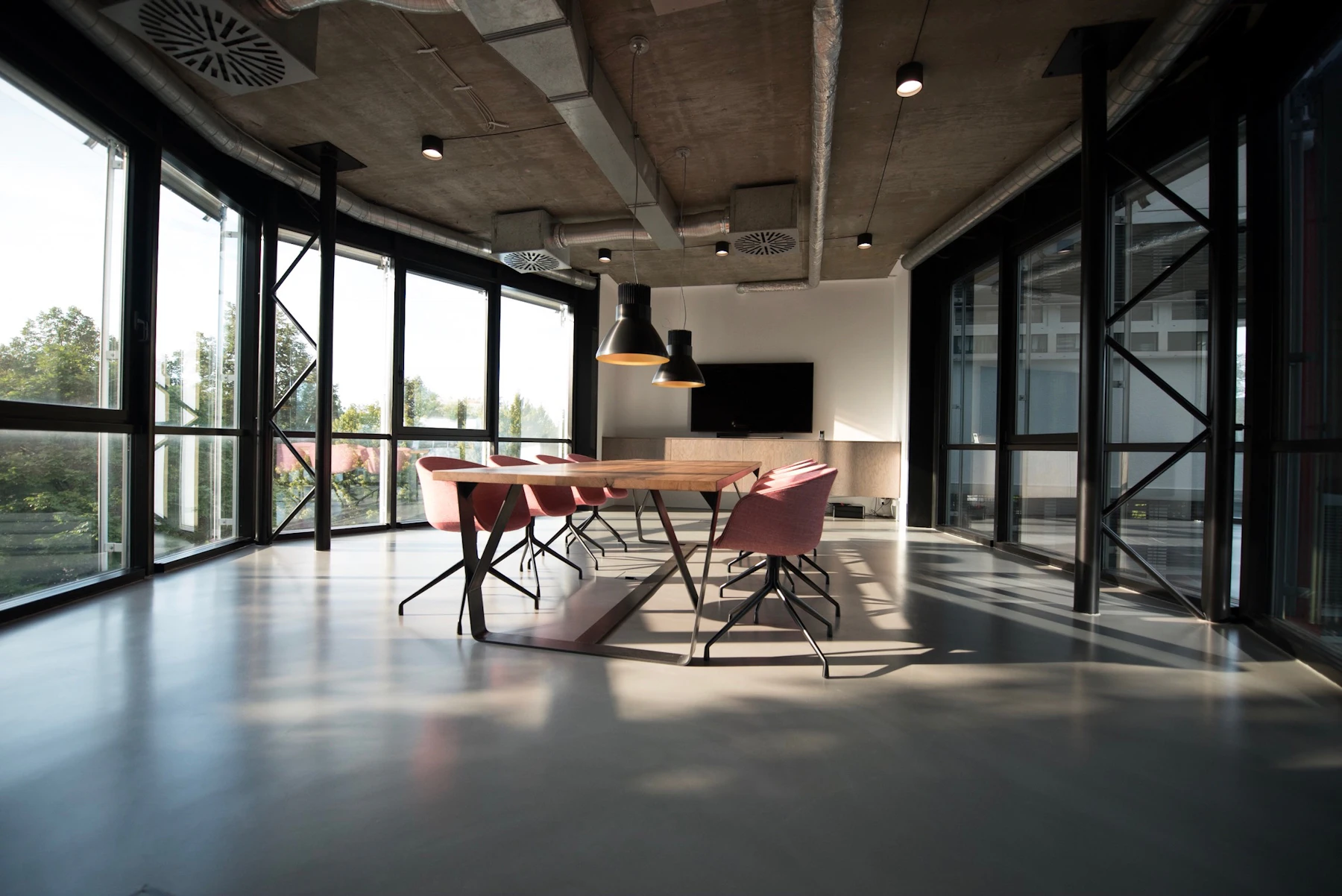
Over the past decade, employee wellness has become one of the most discussed topics in business leadership. Organizations proudly advertise wellness programs, free lunches, gym memberships, meditation sessions, and colorful office spaces as evidence that they care about their people.
These initiatives certainly have value, but an important question remains: are these efforts actually improving employee well-being, or are they simply masking deeper workplace problems? Many companies have invested thousands — sometimes millions — into employee perks while simultaneously witnessing rising levels of burnout, disengagement, stress, and turnover. The contradiction is becoming impossible to ignore. If wellness programs are increasing, why are employees feeling more exhausted than ever?
The answer lies in a fundamental misunderstanding of what workplace wellness truly means. Wellness is not something that can be purchased through benefits or added as a separate HR initiative. It is built into the culture, leadership style, workplace strategy, and even the physical environment where employees spend a significant portion of their lives. Organizations that understand this distinction are creating healthier, happier, and more productive workplaces. Those that don't often find themselves relying on temporary solutions that fail to address the real causes of employee dissatisfaction.
The Myth of Workplace Perks
Walk into many modern offices today and you'll likely find an impressive collection of employee benefits:
On the surface, these initiatives create the impression of a company that values its employees. However, here's the uncomfortable truth:
Perks do not automatically create wellness.
A company can offer unlimited coffee while expecting employees to work 12-hour days. It can provide yoga classes while managers create constant pressure and unrealistic deadlines. It can build beautiful breakout spaces while employees hesitate to take breaks because they fear appearing unproductive. In these situations, the wellness program becomes little more than decoration. Employees quickly recognize the difference between organizations that genuinely prioritize well-being and those simply adding attractive benefits for recruitment purposes.
Burnout Isn't Caused by a Lack of Free Snacks
Burnout rarely occurs because someone didn't receive enough office perks. It develops through repeated exposure to unhealthy workplace conditions, including:
- Poor leadership communication
- Constant workload pressure
- Lack of psychological safety
- Unclear expectations
- Inefficient workplace design
- Limited autonomy
- Continuous interruptions
- Absence of recognition
- Poor work-life balance
None of these issues can be solved by adding another wellness initiative.
Imagine trying to repair a leaking roof with fresh paint. The building may look better for a short time, but eventually the damage becomes impossible to hide. Many workplace wellness programs function in exactly the same way.
The Workplace Environment Shapes Employee Behavior
One of the most overlooked aspects of employee wellness is the workplace itself. The environment employees experience every day directly influences their stress levels, concentration, creativity, collaboration, emotional well-being, productivity, and job satisfaction.
An office designed without considering human behavior often creates constant friction. Open-plan offices, for example, may encourage collaboration, but they can also generate noise, distractions, and mental fatigue if not carefully balanced with private spaces. Similarly, workplaces lacking natural light, comfortable seating, quiet zones, or flexible work settings gradually increase employee exhaustion over time.
Great workplace design is never just about aesthetics — it's about protecting mental and physical health while people do their best work.
Wellness Starts With Leadership
No wellness initiative can compensate for ineffective leadership. Employees don't simply leave organizations.
They often leave managers.
Leaders influence workplace wellness through everyday decisions: how they communicate, how they manage workloads, how they recognize achievements, how they respond to mistakes, how they encourage flexibility, and how they build trust. When leaders create fear-based environments, employees remain stressed regardless of the number of wellness benefits available. Conversely, supportive leadership can significantly improve employee well-being even before formal wellness programs are introduced. Psychological safety, transparency, empathy, and respect remain some of the most powerful wellness initiatives any organization can offer.
Strategy Matters More Than Perks
Organizations that truly succeed in employee wellness don't treat it as a separate department. Instead, wellness becomes embedded within every business decision. Their workplace strategy considers questions like:
- Can employees focus without constant interruptions?
- Do teams have flexibility in how they work?
- Are workloads sustainable?
- Does the office support different working styles?
- Are managers trained to recognize burnout?
- Is collaboration intentional rather than forced?
- Does the culture encourage taking breaks without guilt?
These organizations understand that wellness isn't something employees participate in. It's something they experience every single day.

Office Design Is More Powerful Than Many Realize
Modern office design has evolved far beyond attractive furniture and decorative lighting. Today's best workplaces intentionally support human performance. Effective office environments include:
-
Quiet Focus Areas
Spaces where employees can complete deep work without interruptions.
-
Collaborative Zones
Open areas that encourage brainstorming, teamwork, and creative discussion.
-
Relaxation Spaces
Dedicated areas that let employees mentally recharge during demanding days.
-
Natural Lighting
Daylight exposure improves mood, energy levels, and productivity.
-
Comfortable Ergonomics
Proper furniture reduces fatigue and long-term physical discomfort.
-
Flexible Workspaces
Freedom to choose the environment that best matches the task at hand.
Office design should enhance employee experience — not simply impress visitors.
Culture Defines Wellness More Than Benefits
Culture determines how employees actually feel when they arrive at work each morning. It isn't built through posters on office walls — it's built through daily actions, leadership behaviors, and organizational values.
Healthy cultures encourage
- Open communication
- Respect
- Inclusion
- Learning
- Trust
- Collaboration
- Recognition
- Continuous improvement
Unhealthy cultures create
- Fear
- Micromanagement
- Office politics
- Excessive competition
- Poor communication
- Emotional exhaustion
Wellness Is an Organizational Responsibility
Many companies unintentionally place the responsibility for wellness entirely on employees. People are encouraged to exercise more, practice mindfulness, attend wellness seminars, improve time management, and reduce stress. While these are valuable habits, they ignore an important reality.
Employees cannot meditate their way out of chronic workplace dysfunction.
Organizations must accept responsibility for designing systems that support employee health rather than expecting individuals to compensate for unhealthy environments.
Measuring Wellness Beyond Engagement Surveys
Traditional engagement surveys provide useful insights but rarely capture the complete picture. Organizations should evaluate wellness using multiple indicators, including:
- Employee retention
- Burnout levels
- Sick leave trends
- Collaboration quality
- Workload sustainability
- Psychological safety
- Leadership effectiveness
- Workspace utilization
- Employee feedback
- Overall job satisfaction
Meaningful measurement allows organizations to identify systemic issues before they become costly problems.
"Artificial deadlines create real exhaustion. Real design creates lasting calm."On building workplaces people can sustain
Creating a Truly Healthy Workplace
Building genuine workplace wellness requires long-term commitment rather than isolated initiatives. Organizations should focus on:
-
Design Better Workspaces
Environments that support concentration, collaboration, flexibility, and recovery.
-
Develop Better Leaders
Equip managers with emotional intelligence, communication, and coaching skills.
-
Improve Strategy
Align office design, hybrid policies, and goals around employee well-being.
-
Encourage Sustainable Work
Replace constant urgency with realistic expectations and balanced workloads.
-
Listen to Employees
Regular feedback helps organizations understand evolving workplace needs.
-
Embed Wellness in Culture
Let well-being shape every decision, from hiring and onboarding to leadership.
The Future of Workplace Wellness
The future of work is no longer defined by who offers the most attractive perks. It belongs to organizations that understand people are their greatest competitive advantage. Employees increasingly seek workplaces where they feel valued, trusted, supported, inspired, safe, and empowered.
These experiences cannot be purchased through isolated benefits. They are created through intentional workplace design, thoughtful leadership, strategic planning, and a culture that genuinely prioritizes human well-being. Companies that recognize this shift will attract stronger talent, retain their best employees, and build resilient organizations capable of long-term success.
Final Thoughts
Employee wellness is far more than free coffee, fruit baskets, wellness apps, or discounted gym memberships. While these benefits certainly have their place, they should complement — not replace — a thoughtful workplace strategy.
Real wellness begins with leadership that listens, cultures that support growth, workplaces designed around human needs, and organizational systems that make well-being part of everyday work rather than an occasional initiative. Perhaps the conversation around workplace wellness needs to evolve.
Instead of asking, "What new perks should we offer?" — maybe we should ask: Have we created a workplace where people can genuinely thrive?
Because when organizations design work environments that prioritize people — not just programs — wellness becomes more than a benefit. It becomes part of the organization's identity, culture, and long-term success.
