
Open Offices Didn't Fail — Our Expectations Did
Why removing the walls was never enough — and how designing for both collaboration and deep focus is what actually makes an office work.
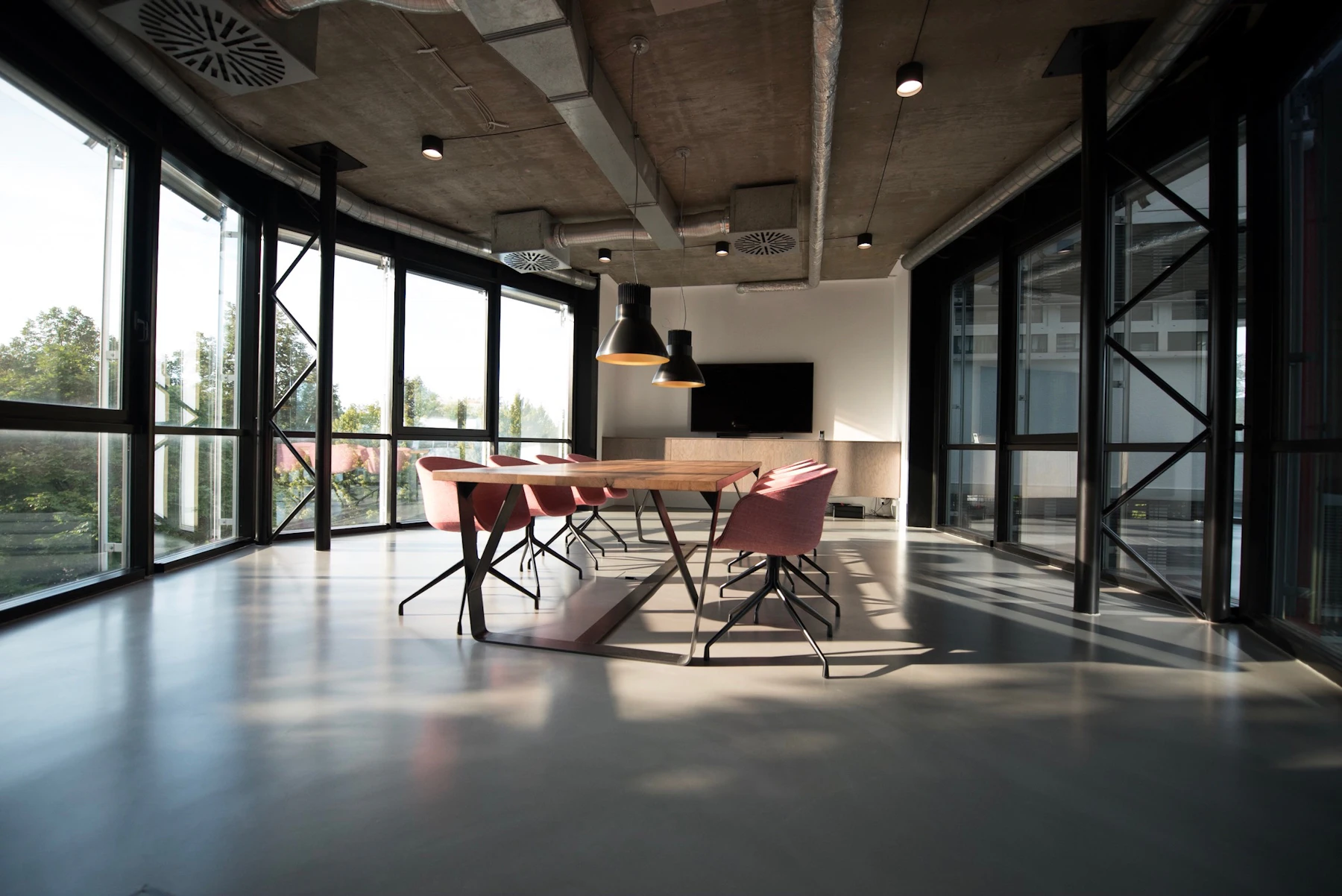
For years, open office layouts were promoted as the future of workplace collaboration. Organizations across industries invested heavily in removing walls, replacing private cabins with shared workstations, and building expansive floors designed to encourage communication.
The belief was simple: if employees could see and access each other more easily, collaboration, innovation, and productivity would naturally flourish. It was an exciting vision. Open spaces promised to eliminate hierarchy, break down communication barriers, and create workplaces where ideas flowed freely. Companies around the world embraced this concept, redesigning offices around openness rather than privacy.
But reality has told a different story. Today, many organizations are questioning whether open offices truly deliver on their promise. Employees often report increased distractions, difficulty concentrating, meeting fatigue, and reduced productivity. Rather than becoming centers of seamless collaboration, many open offices have unintentionally created environments where focus has become increasingly difficult.
Open offices themselves did not fail. Our expectations of them did.
The Myth That Open Spaces Automatically Create Collaboration
One of the biggest misconceptions in workplace design is the assumption that physical proximity automatically leads to better teamwork. Removing walls certainly makes communication easier, but it doesn't guarantee meaningful collaboration. True collaboration depends on far more than office layout. It requires:
- Trust between colleagues
- Clear communication
- Shared goals
- Psychological safety
- Strong leadership
- Well-defined workflows
- A supportive organizational culture
An open office can encourage spontaneous conversations, but if teams lack trust or direction, simply sitting closer together won't improve collaboration. Physical openness is only one piece of a much larger workplace strategy.
Why Organizations Fell in Love With Open Offices
The popularity of open offices wasn't accidental. They offered several attractive advantages:
Many technology companies became pioneers of open workplace design, inspiring businesses worldwide to adopt similar layouts. The assumption was straightforward: more interaction equals more innovation. While this can certainly happen, organizations often overlooked an equally important requirement for high performance.
Employees also need uninterrupted time to think.
The Hidden Cost of Constant Accessibility
One of the biggest challenges of open workplaces is continuous interruption. Employees working in open environments are exposed to:
- Conversations from nearby teams
- Phone calls
- Impromptu meetings
- Walking traffic
- Notifications
- Frequent questions from colleagues
- Background noise
Each interruption may seem small, but together they create significant cognitive overload. Research consistently shows that after an interruption, it can take several minutes for the brain to fully regain concentration. When interruptions occur repeatedly throughout the day, deep work becomes almost impossible. Instead of enabling productivity, excessive accessibility often fragments attention.
Collaboration and Concentration Are Both Essential
One mistake many organizations make is treating collaboration and focus as opposing concepts. In reality, successful workplaces require both. Employees spend their day performing different types of work — and each type asks for a different environment.
Work that needs collaboration
- Brainstorming
- Project planning
- Team discussions
- Creative workshops
- Problem-solving sessions
Work that needs concentration
- Writing
- Coding
- Financial analysis
- Strategic planning
- Research
- Designing
- Reviewing reports
Expecting every task to happen effectively in the same open environment ignores how people actually work. The best workplaces support both collaboration and focused individual performance.
Different People Work Differently
Not every employee thrives in the same environment. Some people gain energy from constant interaction. Others perform best in quieter settings where they can think deeply before contributing. Personality, role, experience, and even the nature of the task all influence workspace preferences.
A software developer, financial analyst, content writer, designer, HR professional, and sales executive all have completely different workspace needs. Modern workplace strategy should embrace flexibility instead of assuming every employee works the same way.
Designing one environment for everyone often means optimizing it for no one.
The Importance of Workplace Zoning
At VSpaceZ, we've observed that organizations achieving the highest employee satisfaction rarely rely on a single office layout. Instead, they create workplaces made up of multiple activity-based zones, each supporting a specific type of work:
-
Focus Zones
Quiet areas where employees can perform deep work without interruptions.
-
Collaboration Spaces
Open environments designed for brainstorming, meetings, and teamwork.
-
Informal Discussion Areas
Comfortable spaces that encourage spontaneous conversations and quick problem-solving.
-
Private Meeting Rooms
Rooms for confidential discussions, client meetings, or focused team planning.
-
Phone Booths
Small enclosed spaces that keep phone calls from disturbing the wider office.
-
Wellness & Recharge Areas
Dedicated spaces to briefly disconnect, relax, and return with renewed focus.
Rather than forcing every activity into one environment, thoughtful zoning supports the natural rhythm of work.

"Open offices didn't fail. Expecting one room to do every kind of work did."On designing for how people actually work
Productivity Isn't About More Conversations
Many leaders measure collaboration by how often employees interact. But quantity doesn't always equal quality. Frequent interruptions, unnecessary meetings, and constant discussions can actually reduce meaningful collaboration.
High-performing teams collaborate intentionally. They know when to work together and when to work independently. Effective workplace design supports this balance by providing environments suited to both modes of working.
The Role of Leadership in Open Workplaces
Even the best-designed office cannot compensate for poor workplace culture. Leaders shape how employees use office spaces. If managers expect employees to be constantly available simply because they sit in an open office, interruptions become the norm. On the other hand, organizations that establish clear communication practices create healthier working environments:
- Respecting focus time
- Scheduling collaboration intentionally
- Reducing unnecessary meetings
- Encouraging asynchronous communication
- Supporting flexible work styles
Leadership behaviors often determine whether open offices become productive environments or sources of daily frustration.
Technology Has Changed the Way We Work
When open offices first became popular, they were designed around face-to-face communication. Today's workplace is very different. Employees constantly interact through digital tools:
Ironically, many employees now attend virtual meetings while sitting in open offices surrounded by colleagues. Employees require privacy for digital communication just as much as in-person conversations.
Modern workplace design must account for both physical and digital collaboration.
Measuring Success Beyond Office Design
Organizations sometimes evaluate workplace success based on how modern an office looks. A beautiful workspace certainly matters, but appearance alone doesn't determine effectiveness. Better indicators include:
- Employee satisfaction
- Productivity levels
- Collaboration quality
- Innovation
- Retention rates
- Reduced burnout
- Better focus
- Workplace engagement
Ultimately, the success of an office should be measured by how well it enables people to do their best work — not simply how impressive it appears.
The Future of Workplace Design Is Choice
The most successful workplaces of the future won't be entirely open or entirely private. They'll be flexible. Employees will have the freedom to choose environments based on the work they're doing. This approach recognizes a simple reality: work changes throughout the day.
A designer brainstorming ideas needs a different environment than the same designer refining detailed layouts. A marketing team planning a campaign requires collaboration, while writing the campaign copy demands uninterrupted focus.
Choice becomes the real competitive advantage.
Final Thoughts
Open offices were never the problem. The problem was expecting one workspace solution to satisfy every employee, every personality, and every task. Collaboration doesn't happen simply because walls disappear. It happens when organizations intentionally create environments that support communication, creativity, trust, and focused work in equal measure.
The future of workplace design isn't about choosing between open offices and private offices. It's about designing intelligent, flexible environments where employees can move seamlessly between collaboration and concentration. At VSpaceZ, we believe great workplaces are not built around trends — they're built around people. By combining thoughtful spatial planning, workplace strategy, and human-centered design, organizations can create offices that genuinely improve productivity, well-being, and collaboration.
Perhaps the question should no longer be, "Should we have open offices?" Instead, leaders should ask: Are we creating the right spaces for every type of work our people need to do?
Because when workplaces are designed around human behavior instead of assumptions, collaboration becomes intentional, productivity improves, and the office transforms into a place where both people and businesses can truly thrive.
